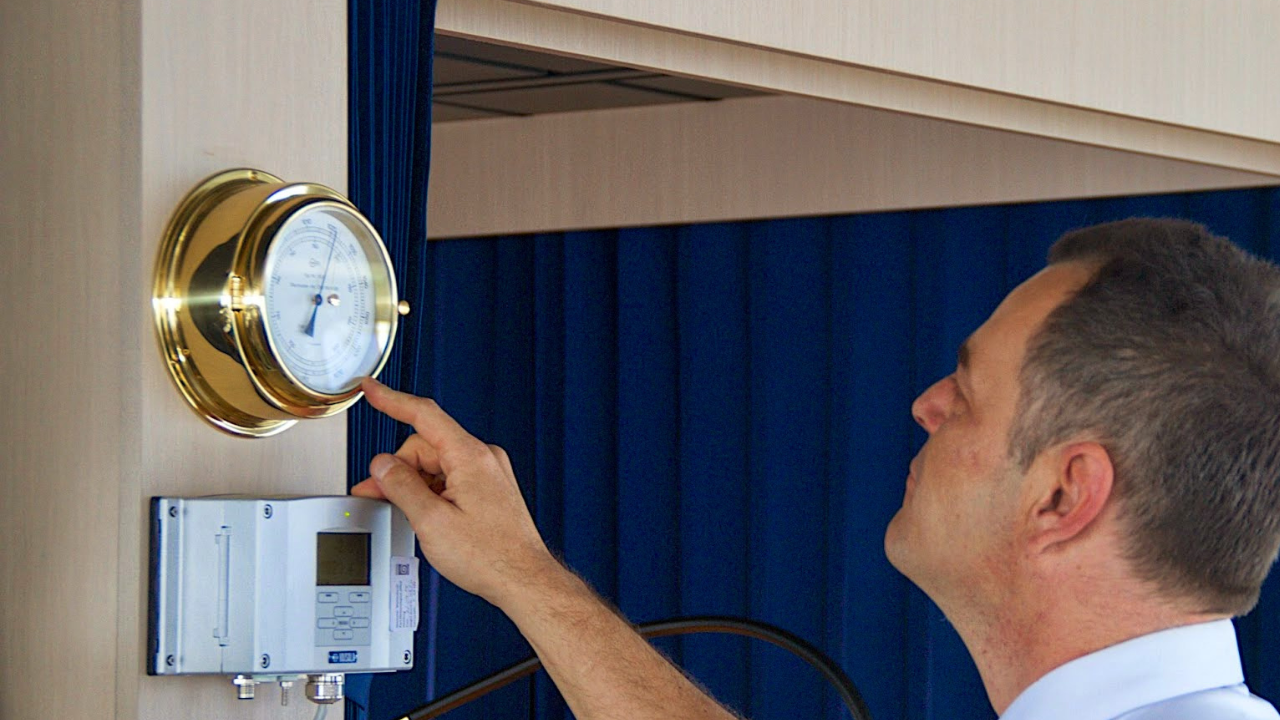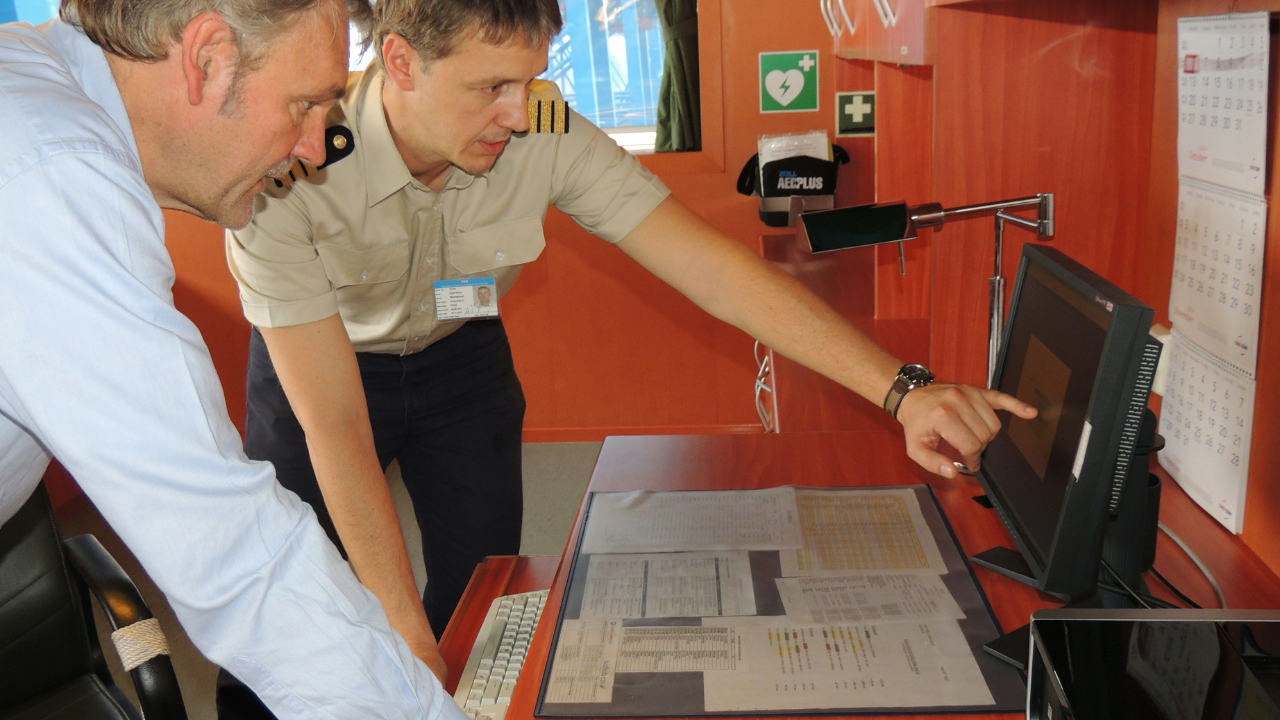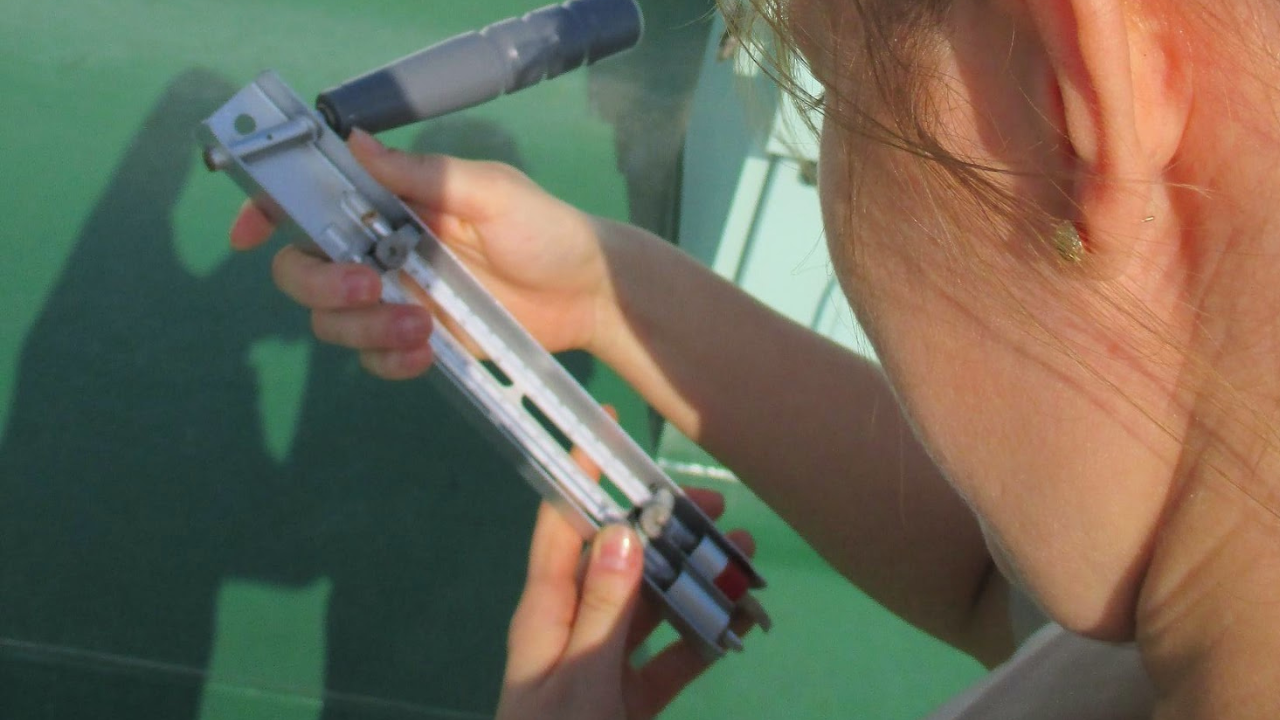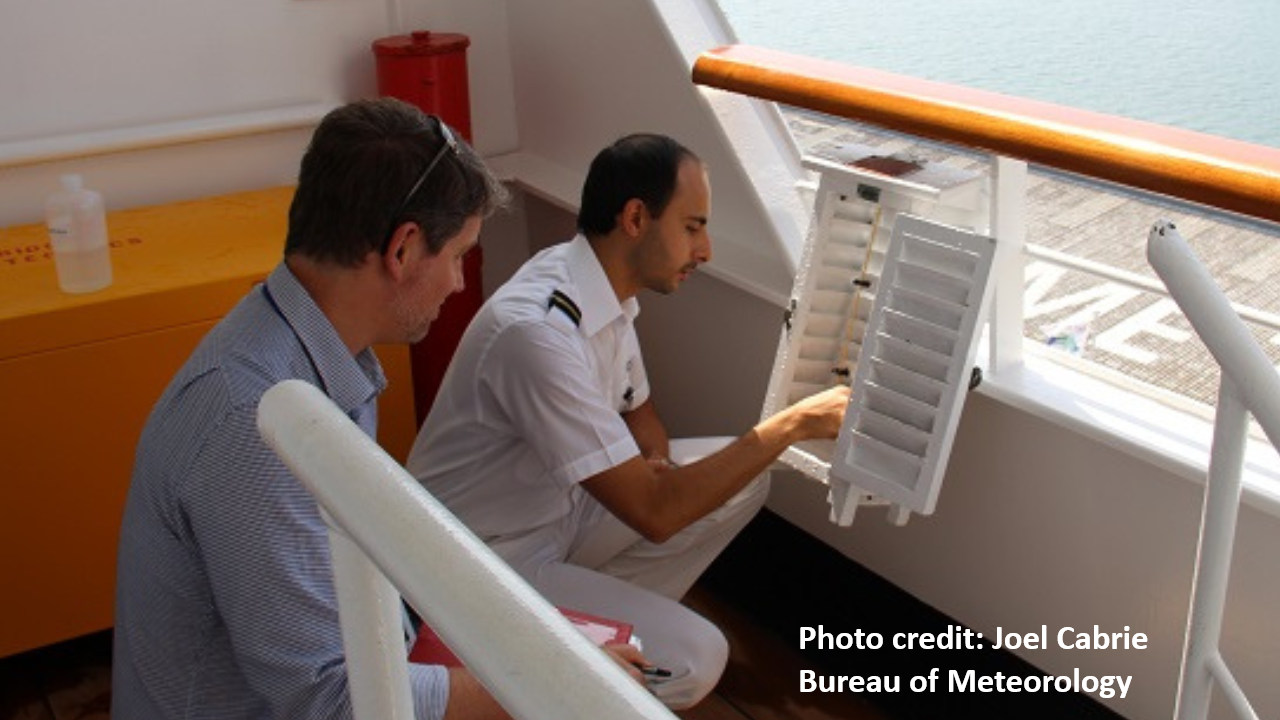


The Voluntary Observing Ship (VOS) Scheme is one of the oldest and most important marine observation networks in the world. Its origins trace back to 1853, when Lieutenant Matthew Fontaine Maury of the U.S. Navy initiated the first International Meteorological Conference in Brussels — recognising for the first time that weather observations collected from ships had both scientific and commercial value that demanded international coordination.
With the arrival of radio communications in the early twentieth century, ship observations could be transmitted to shore in time to influence operational forecasts. Port Meteorological Officers (PMOs) were appointed to service ships in port, and the modern VOS Scheme took shape. Today, the VOS Scheme is a core observing network of the Ship Observations Team (SOT) within GOOS.
Every day, roughly 2000 ships — merchant vessels, ferries, fishing boats, sailing yachts and others — observe the weather at their location and report those observations to national meteorological services. These services aggregate the reports and distribute them on the Global Telecommunication System (GTS) and WIS 2.0, where they reach operational weather centres worldwide within minutes.