Coordinating global ship-based observations for science, safety and climate

About the Ship Observations Team

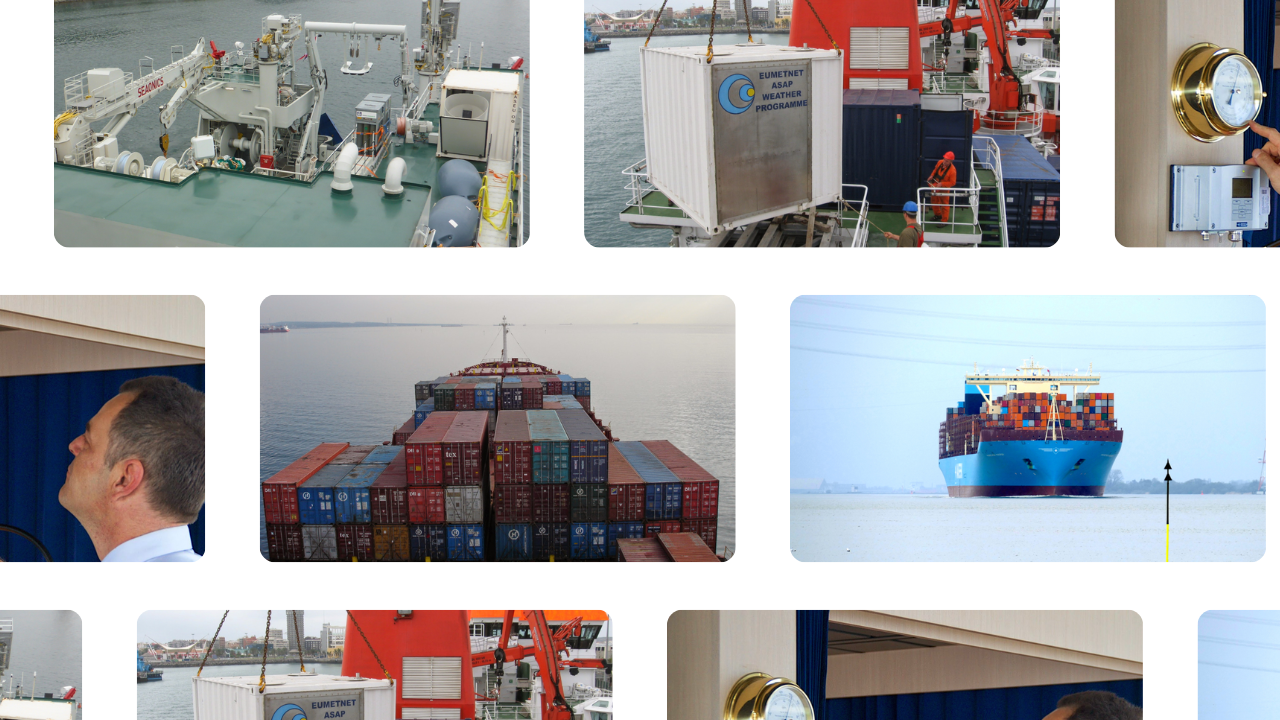
The Ship Observations Team (SOT) was established in 2001, jointly by the World Meteorological Organization (WMO) and the Intergovernmental Oceanographic Commission (IOC) of UNESCO. Its founding purpose was to build on the natural synergies between three long-running international networks that each use ships as ocean and atmospheric observing platforms: the Voluntary Observing Ship (VOS) Scheme, the Automated Shipboard Aerological Programme (ASAP), and the OceanTraX network (formerly XBT SOOP).

The SOT is a core observing panel of the Global Ocean Observing System (GOOS) — the international framework for coordinated, sustained, and high-quality ocean observations. Through GOOS, the SOT contributes to the Essential Ocean Variables (EOVs) and the Essential Climate Variables (ECVs) that underpin assessments of ocean health, climate variability, and the state of the marine environment. The SOT's ship-based observations feed directly into the GOOS ocean observing architecture, complementing satellite sensors, Argo floats, drifting buoys, and other platforms to provide the in-situ surface and sub-surface measurements that no other observing method can fully substitute.

Vision

Engage the world to lead the global requirements for ship-based data and metadata.

Mission

Provide and promote the free and unrestricted exchange of, quality ship-based weather and ocean observations for a better understanding and prediction of the marine environment and to support safety of life at sea.

SOT contribution to Essential Variables

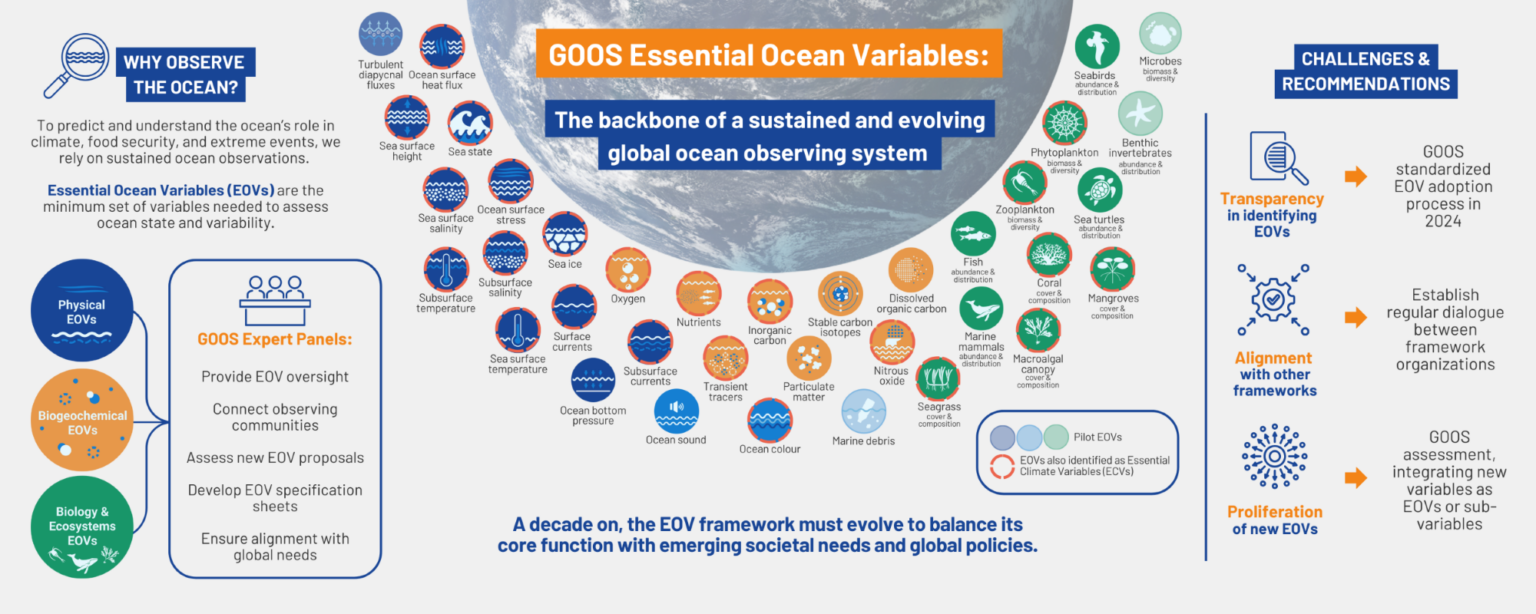
Essential Ocean Variables
The Essential Ocean Variables

The Global Ocean Observing System (GOOS) — co-sponsored by UNESCO-IOC, WMO, United Nation Environment Programme (UNEP), and the International Science Council (ISC) — provides the strategic framework and scientific rationale for global ocean observing. At the heart of this framework is the concept of Essential Ocean Variables (EOVs) and Essential Climate Variables (ECVs).

  • EOVs are the minimum set of ocean variables needed to assess ocean state and variability for important global ocean phenomena, and to provide essential data for applications that support societal benefit; while
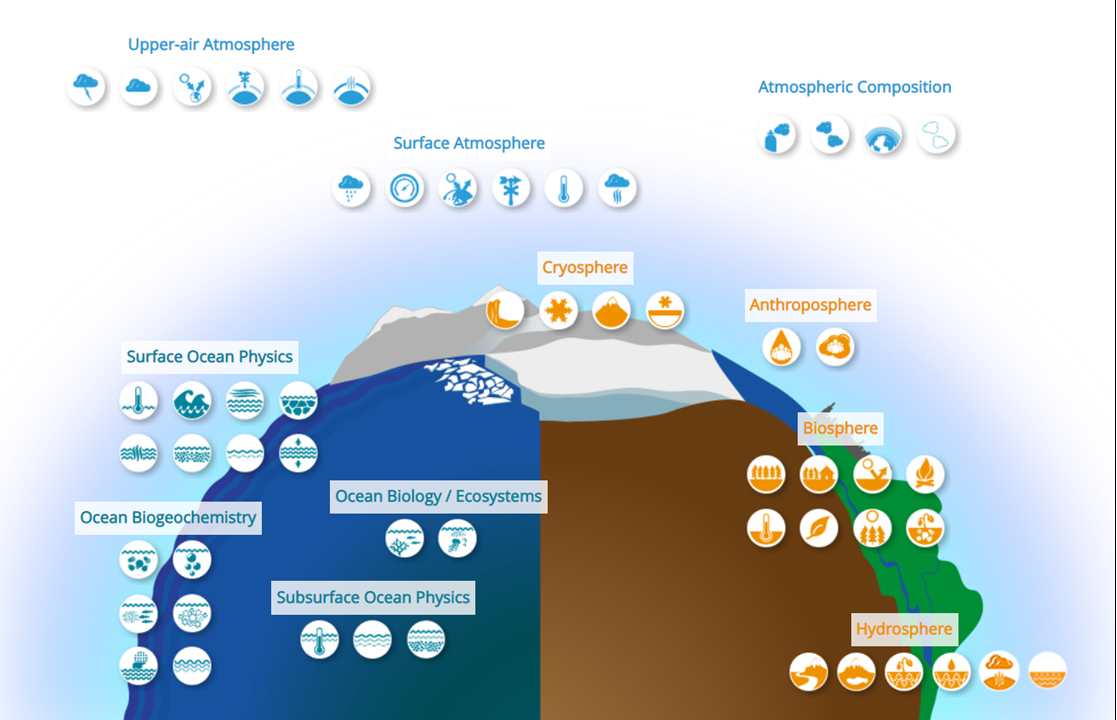
  • ECVs are physical, chemical or biological variables or groups of linked variables that critically contribute to the characterization of Earth’s climate.
Essential Climate Variables
The Essential Climate Variables

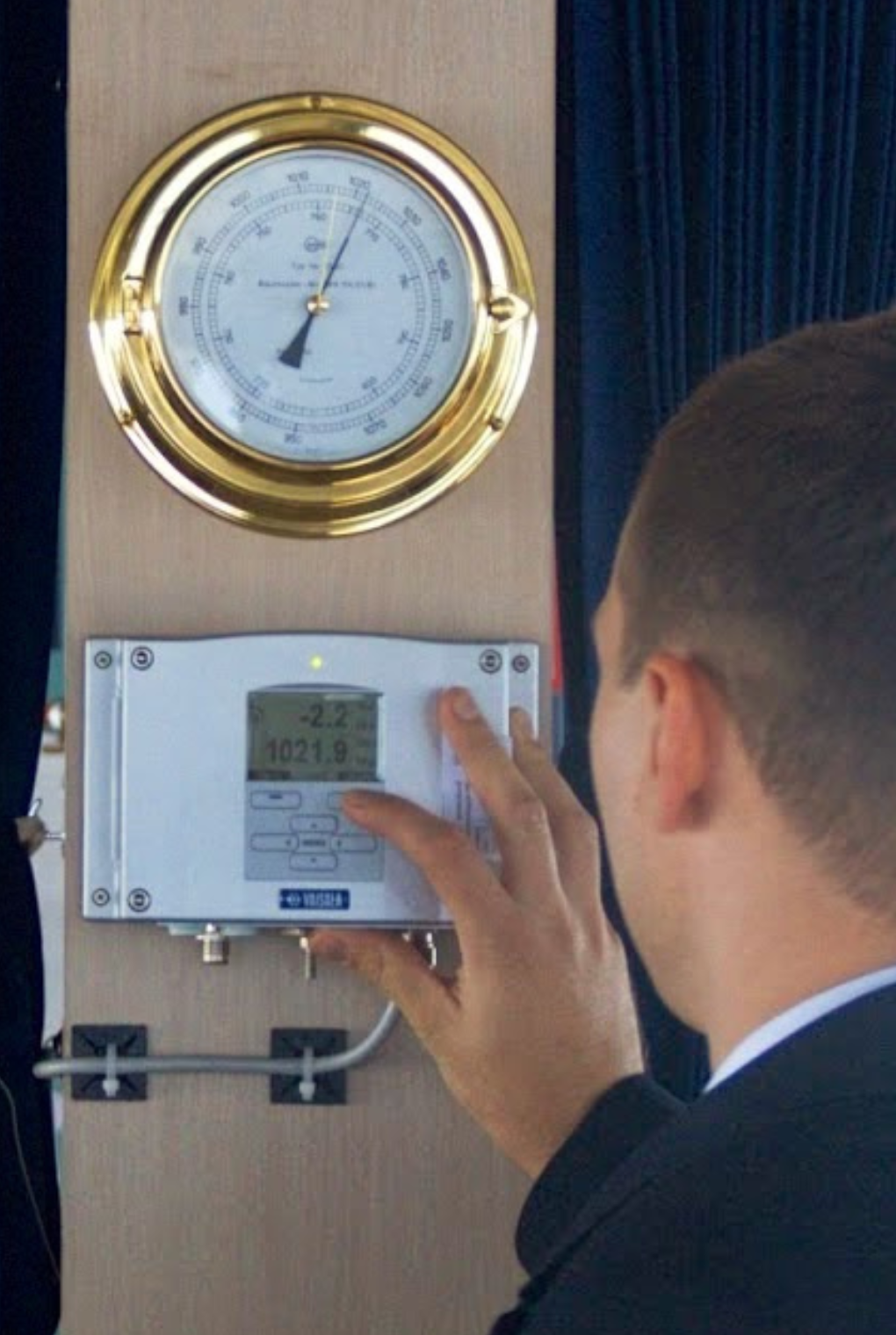
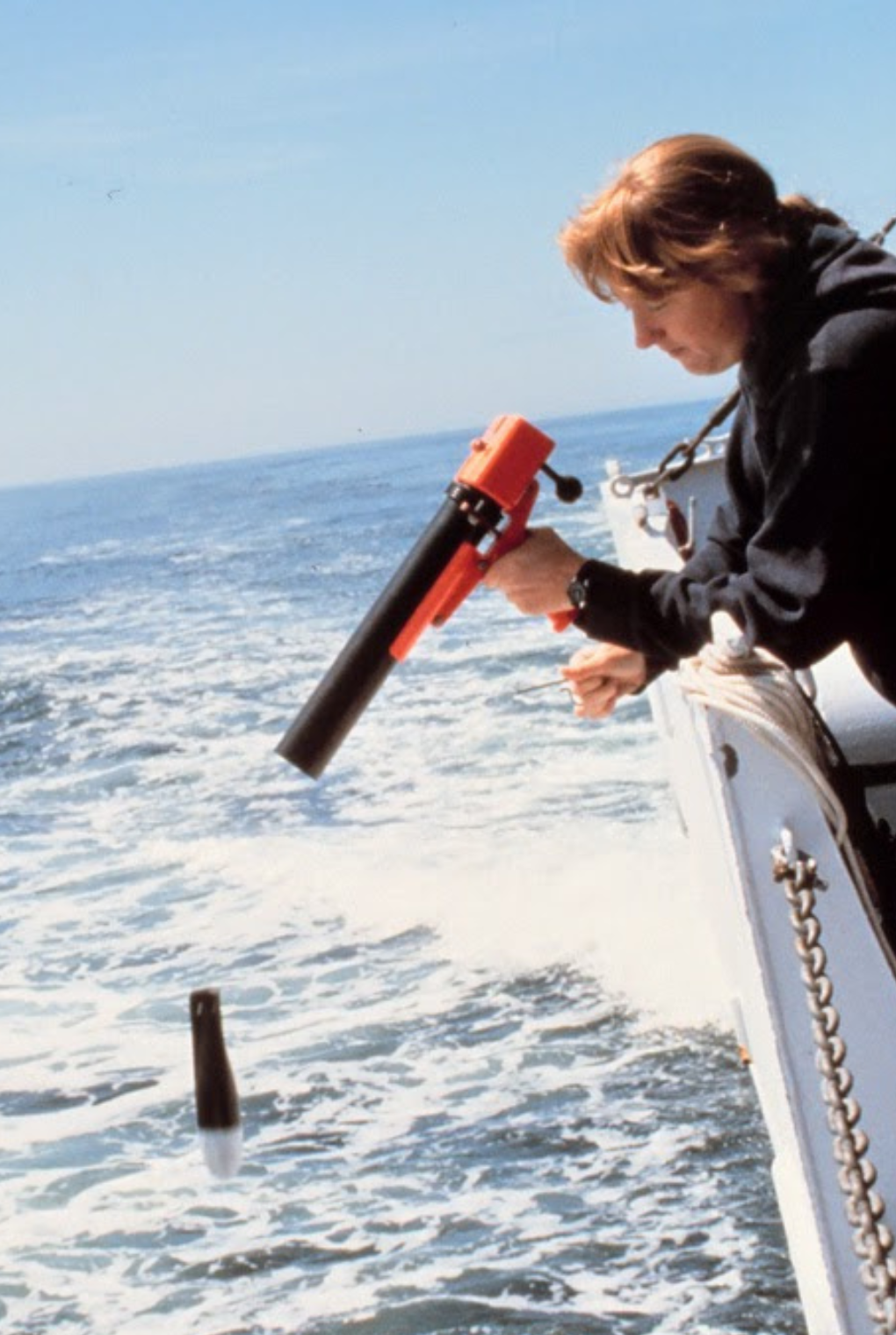
The SOT's three networks contribute to a suite of these Essential Variables. The VOS network obtains sea surface temperature, atmospheric pressure, wind speed and direction, air temperature, humidity, and wave characteristics — all essential physical and atmospheric parameters. The OceanTraX network delivers upper ocean temperature profiles — a critical physical variable that underpins estimates of ocean heat content, and contribute salinity measurements. The ASAP network delivers upper-air soundings over the ocean — inputs to the atmospheric observing component of GOOS and the Global Climate Observing System (GCOS).

Together, these observations feed the Global Telecommunication System (GTS) and the new WMO Information System (WIS 2.0), reaching operational centres worldwide within hours of collection — and are also archived for long-term climate science.

Strategic Goals

The SOT Strategy (2022–2027) guides the team's work across four strategic goals:

  1. Global leadership in data and metadata requirements and coordination — The SOT advances the coordination, exchange, and archival of quality ship-based data and metadata. This includes standardising observational and metadata methods, improving quality assurance, promoting the free exchange of observations, raising the technology readiness of shipboard communications, and maintaining and updating technical guidance for the global community.
  2. Expanding the world's ship-based observations — The SOT works to increase the quantity and geographic coverage of ship observations — particularly in data-sparse regions of the global ocean. This means fostering greater national capacity for VOS, ASAP, and OceanTraX; increasing observations in under-sampled areas; continuing WIGOS implementation activities; and seeking new opportunities for the deployment of measuring devices across commercial, research, and citizen-science fleets.
  3. People and culture — The SOT promotes diverse, inclusive values and fosters strong connections with the global observational community. This includes ensuring regional and gender balance in SOT leadership, maintaining representation in GOOS panels and WMO Technical Commissions, and providing comprehensive training for PMOs, observers, and operators.
  4. Environmental and financial responsibility — The SOT is committed to good stewardship of the world's oceans, sustainable use of resources, and alignment with the strategic plans of WMO, IOC, GCOS, and GOOS.

→ SOT Strategy document (PDF) →

Membership

Charting the Future of Marine Intelligence: Join the SOT

The Ship Observing Team (SOT) is more than just a technical panel; it is the backbone of global maritime safety and climate monitoring. By joining our mission, you become an essential link in a worldwide network that transforms merchant vessels into sophisticated scientific platforms.

Whether you represent a national agency or a pioneering industry leader, your participation directly enhances the data that protects lives and property at sea.

Why Join the SOT?

Membership offers a unique opportunity to sit at the intersection of international policy, cutting-edge technology, and marine operations.

  • Global Impact: Contribute to high-priority international networks like the VOS, ASAP, and OceanTraX.
  • Strategic Networking: Collaborate with a community of over 50 active countries and top-tier industry experts.
  • Operational Excellence: Gain access to best practices for Port Meteorological Officers (PMOs) and national focal points, ensuring your maritime observations meet rigorous international standards.

Who Can Become a Member?

The SOT thrives on a diverse ecosystem of expertise. We invite participation from two primary sectors:

  1. Member States & Territories: Open to all WMO and IOC members. Participation is typically channeled through National Meteorological and Hydrological Services (NMHS), which manage ship recruitment and appoint PMOs.
  2. Industry Partners: We actively welcome WMO-IOC industry partners. Private sector leaders in maritime technology, shipping, and data logistics are invited to join the panel to provide technical insights and foster innovation.

Participation in the SOT is voluntary, built on the shared belief that the ocean is a global common. Our strength lies in the "collaborative spirit" of our members, who provide vital data for tracking global marine observation efforts.

Governance

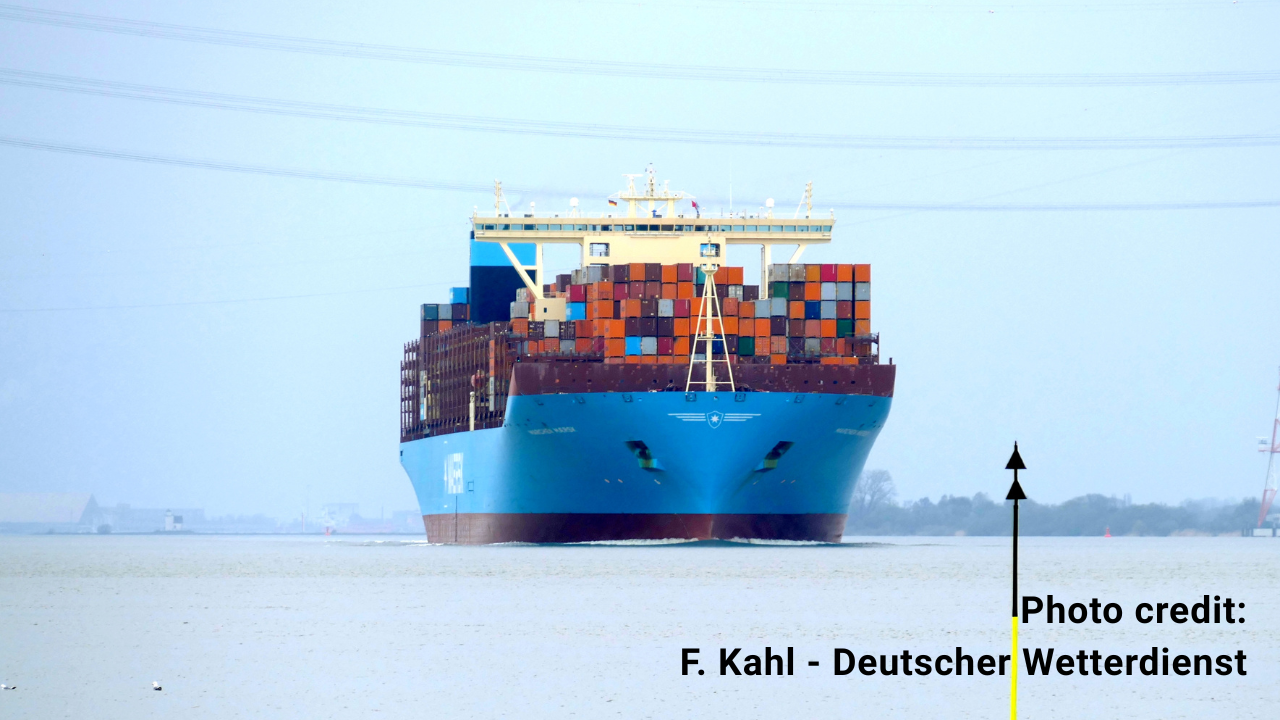
Uranus ship
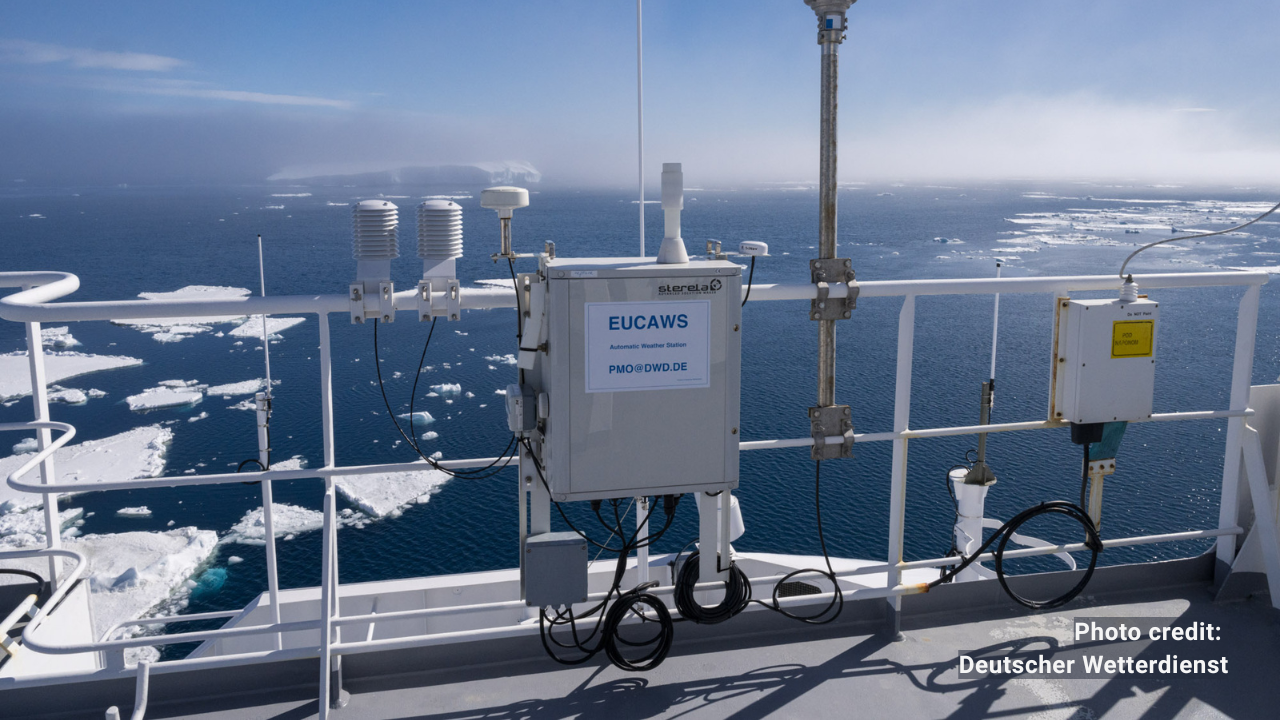
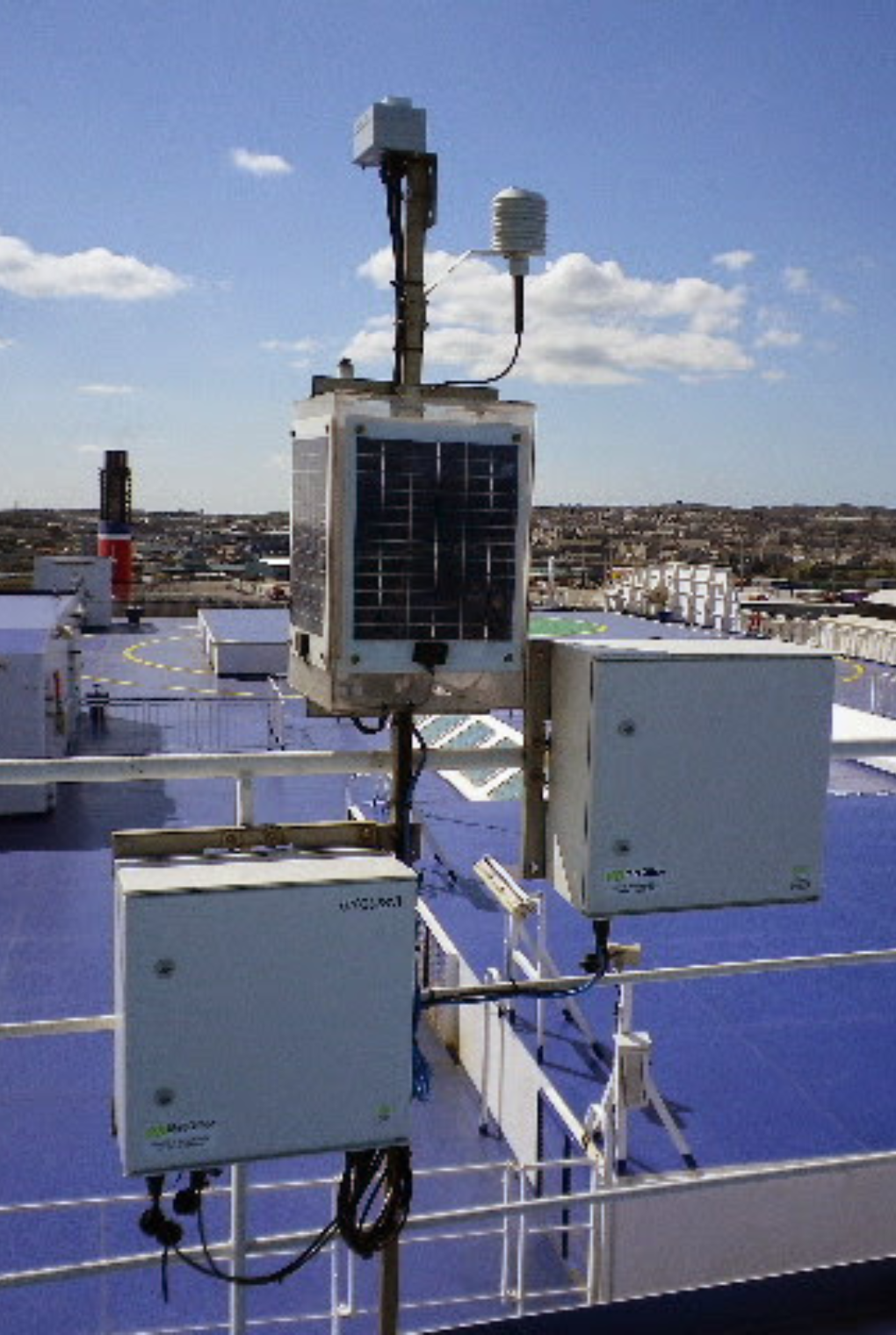
Automatic Weather Station (AWS) installed on ship

The SOT is governed by the SOT Executive Board (EB), which is led by a Chair and Vice-Chair and is supported by the OceanOPS secretariat. The Executive Board oversees strategic planning and intersessional activities between the biennial SOT session.

Executive Board

The SOT Executive Board (EB) operates under terms of reference established by the SOT at its regular sessions. Key responsibilities of the EB include:

→ SOT Executive Board members →

Task Teams

The SOT operates through a number of Task Teams, each led by a Chair and composed of experts from national meteorological services, research institutions, and partner organizations worldwide.

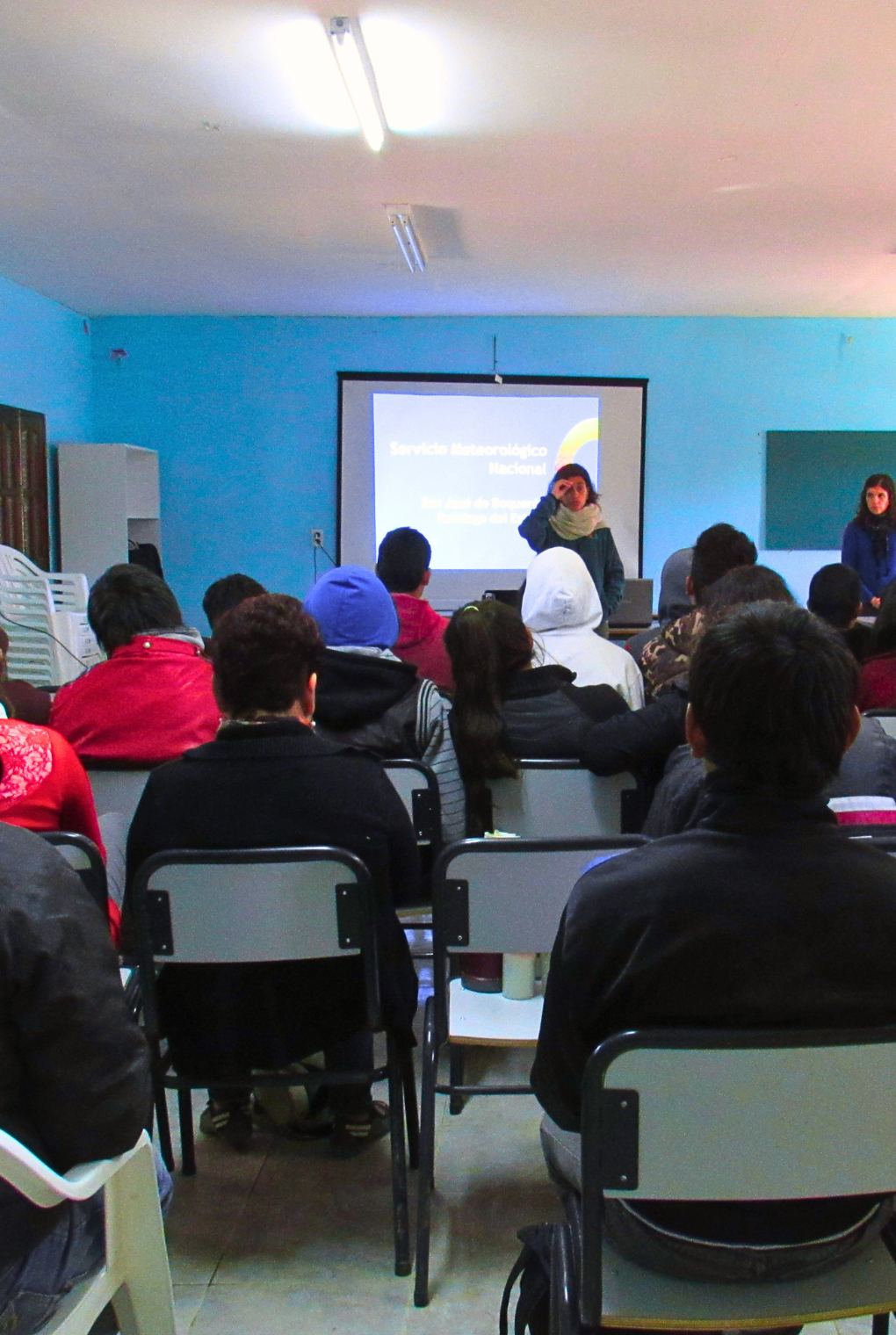
The SOT Task Team on Recruitment, Promotion and Training oversees VOS recruitment, promotional materials, observer training programmes, and Port Meteorological Officer standards worldwide.

The SOT Task Team on Metadata develops and maintains composite metadata structures for SOT observing networks, aligned with WIGOS metadata standards and WMO Publication No. 47.

The SOT Task Team on 3rd Party Data coordinates the expansion of independent class VOS contributions, including citizen science initiatives and projects under the UN Ocean Decade.

The SOT Task Team on Instrument Standards and Satellite Communication Systems provides guidance on instrument testing, standardization, intercalibration, and satellite communication systems for VOS and OceanTraX.

The SOT Task Team on Key Performance Indicators develops and maintains KPIs for SOT networks covering implementation, data flow, and international cooperation.

The SOT Task Team on VOS Delayed Mode Data maintains and updates the IMMT delayed mode data format and coordinates marine meteorological data exchange in the MCDS.

The SOT OceanTraX Data Management Team coordinates activities to manage data, promote standards compliance, and oversee quality control (QC) and data governance for OceanTraX–based ocean observation data.

Related articles