


Port Meteorological Officers — the human backbone of the VOS Scheme

The Port Meteorological Officer — who they are and why they matter

The Port Meteorological Officer (PMO) is a representative of a national meteorological service (NMS), typically based at or near a major commercial port. They are the primary point of contact between the national meteorological service and the maritime community — shipping companies, harbour authorities, maritime colleges, ships' officers, and crew.

Without the dedication of PMOs, the VOS Scheme could not function. They recruit ships, inspect and service instruments, train observers, monitor data quality, collect delayed-mode logbook data, and maintain the relationships with the maritime community that make the entire observation network possible. Without them, the quality and quantity of marine meteorological data would decline rapidly — with direct consequences for marine forecasting, climate monitoring, and the services that national meteorological services provide.

What PMOs do — the full range of functions

Recruit ships into the national VOS fleet

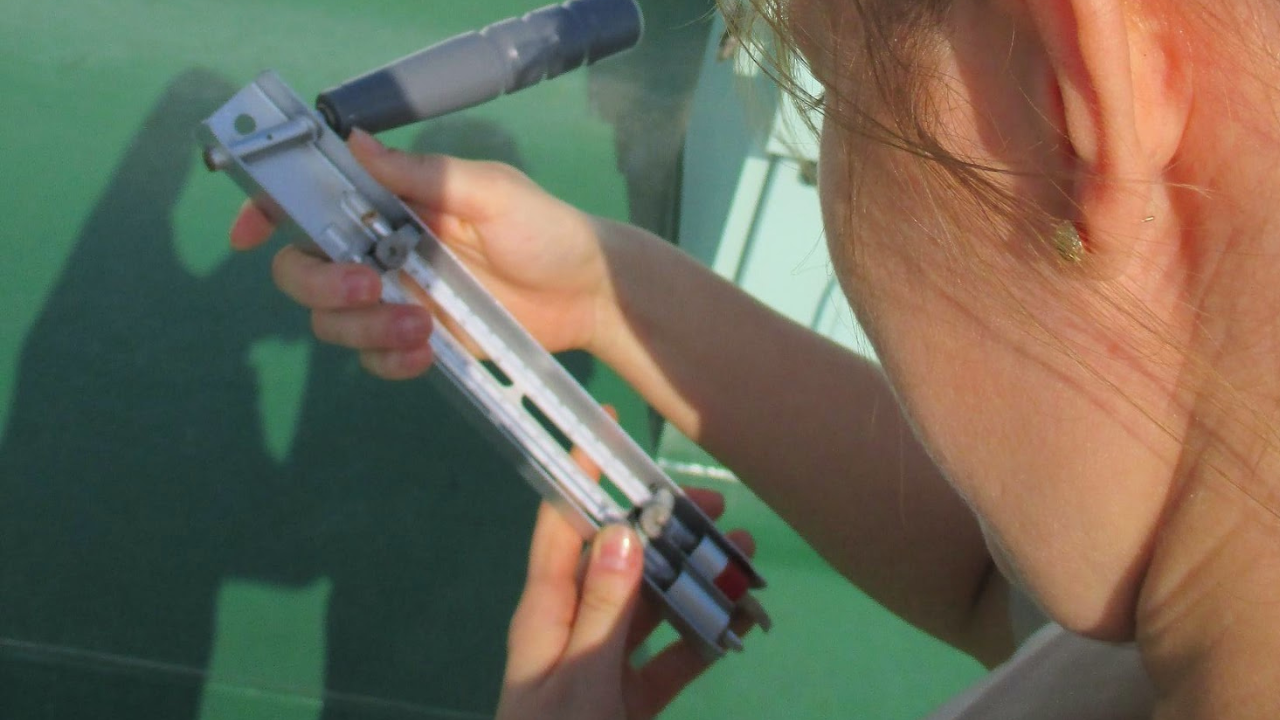
Inspect and service instruments on board

Monitor data quality and support observers

The PMO's work spans the full lifecycle of a ship's participation in the VOS Scheme. Their functions cover seven core areas:

  1. Fleet management — Recruiting ships of all nationalities into the national VOS fleet (provided they are not already recruited elsewhere); maintaining accurate records including full WIGOS metadata; and de-recruiting ships when appropriate.
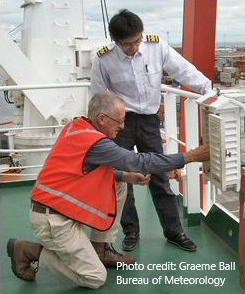
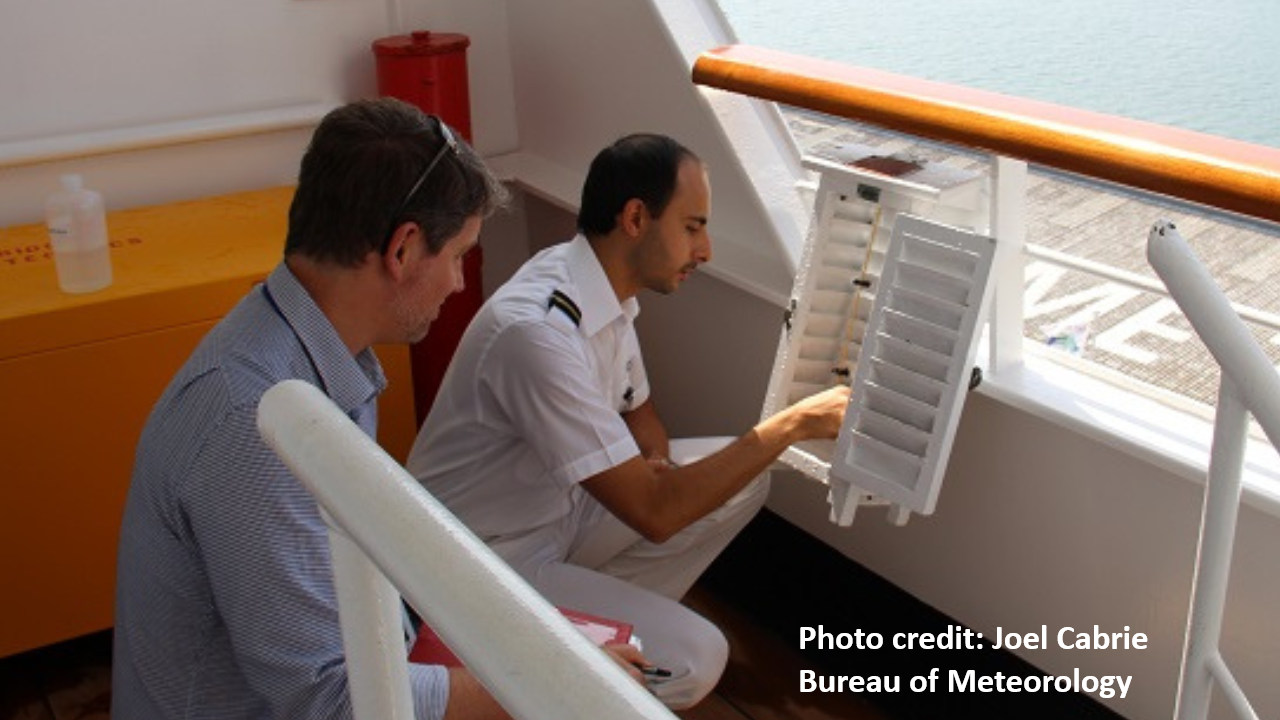
  2. Ship visits — Regularly visiting ships to maintain observer relationships, provide ongoing training, inspect and calibrate instruments, check consumable supplies (logbooks, barograph charts, muslin, wicks), and recover electronic logbook data.
  3. International support — At the request of another PMO or a ship's Master, providing assistance regardless of the ship's nationality: barometer checks, instrument inspections, observer guidance, and equipment recovery for return to the country of recruitment.
  4. Liaison — Maintaining active contact with the NMS, neighbouring PMOs, harbour authorities, shipping companies, and maritime training institutions.
  5. Transmission support — Enquiring about problems with meteorological data transmission and the reception of forecasts and facsimile broadcasts, and relaying findings to the NMS.
  6. Complementary network — Supporting the deployment of drifting buoys (DBCP), Argo floats, and participation in OceanTraX and ASAP, as requested by the NMS.
  7. Recognition — Presenting SOT Certificates of Appreciation and national awards to qualifying ships; distributing newsletters and goodwill items to maintain crew engagement.

Port presence — why location matters

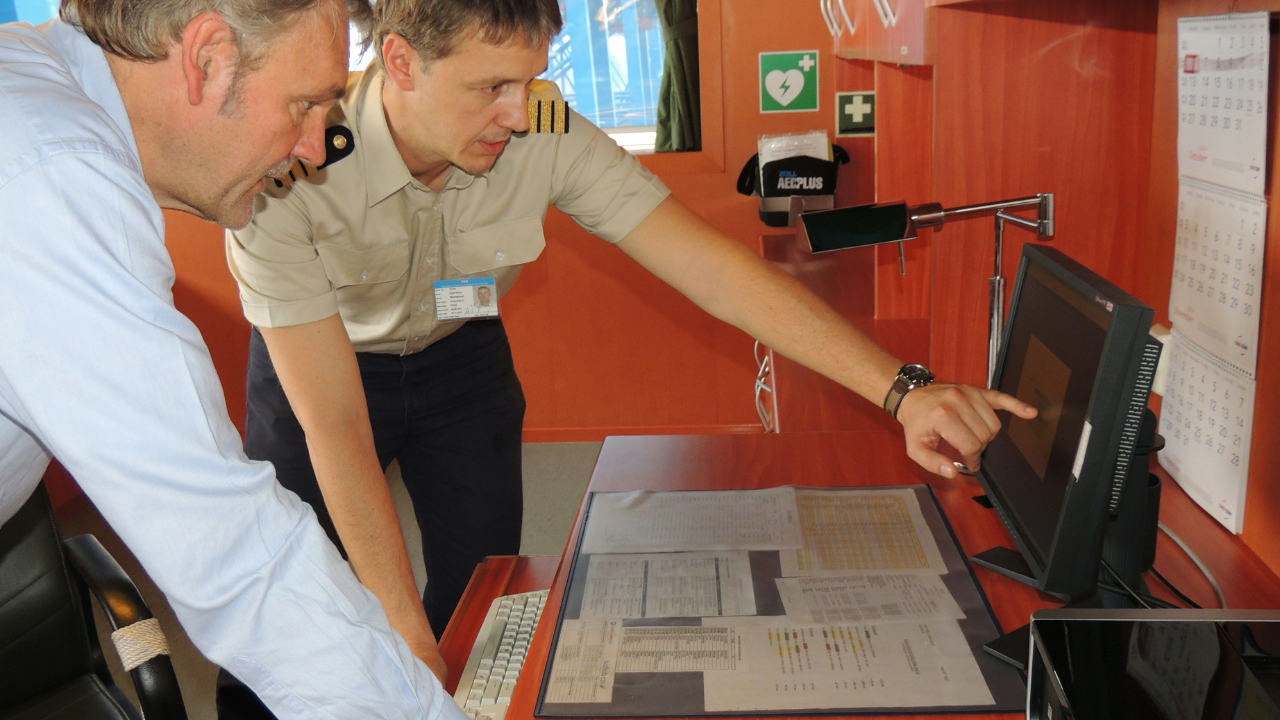
an image of a man looking at some on screen weather map in a ship

The PMO office should be located at the main commercial port wherever possible. Port proximity is what makes the role effective: it enables more frequent board visits during ships' brief port calls, faster response when instruments need replacing, and closer relationships with port agents, harbour masters, and shipping company representatives.

In countries with multiple significant ports, a network of PMOs shares responsibilities — coordinating to avoid duplicated inspections and ensuring every ship in the national fleet is visited at the recommended frequency. The PMO Buddy List enables cross-border cooperation when ships call at foreign ports.

Common standards across the global network

With VOS ships calling at ports worldwide, consistency is essential. A ship recruited in Hamburg may be inspected in Singapore and de-recruited in Cape Town — yet the observation record it produces must be of uniform quality throughout. PMOs achieve this through shared tools, guides, and the periodic International PMO Conferences organised by the VOSP in conjunction with WMO.
"From port to port, PMOs maintain the invisible infrastructure that turns a shipping vessel into a platform for global science."

Related articles