The Recruitment Visit
The recruitment visit is the PMO's first formal engagement with a new VOS ship. How well it is conducted will directly influence the quality of observations throughout the ship's participation.
- Determine, in consultation with the Master, the most appropriate meteorological reporting class (NMS Operated, NMS Cooperative or Independent) of the vessel.
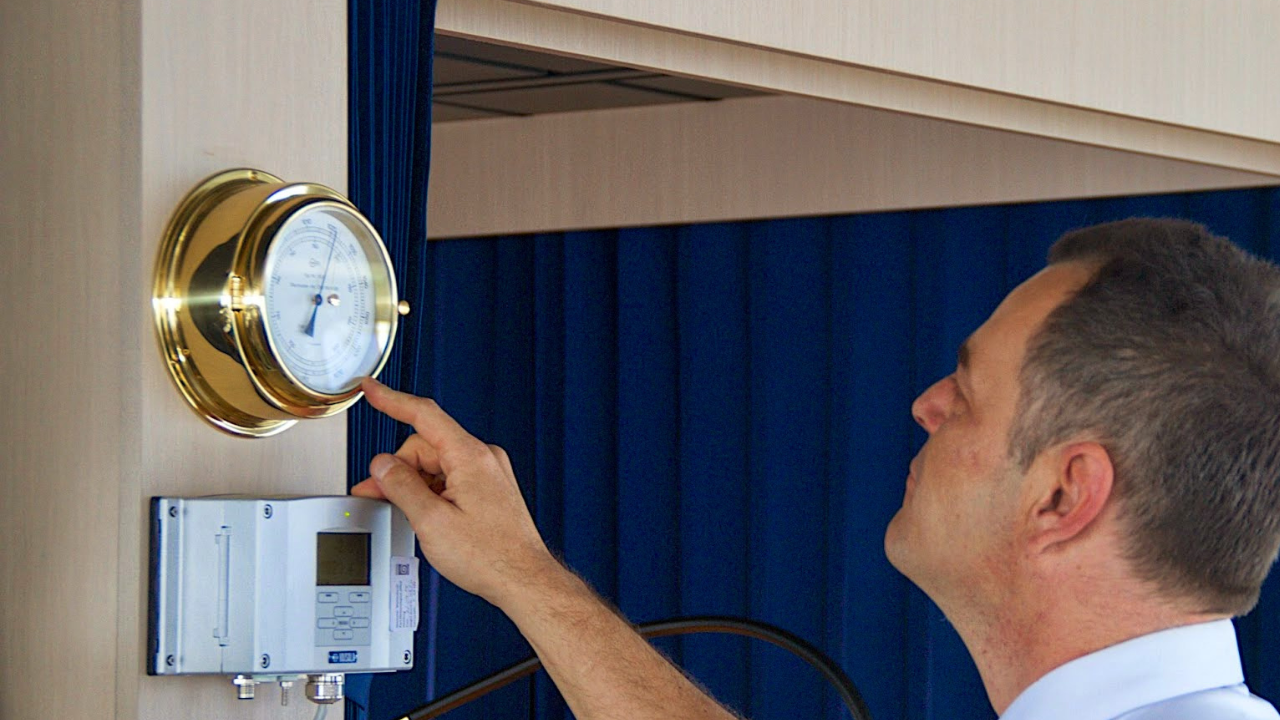
- If appropriate, install calibrated NMS instruments ensuring the best possible exposure.
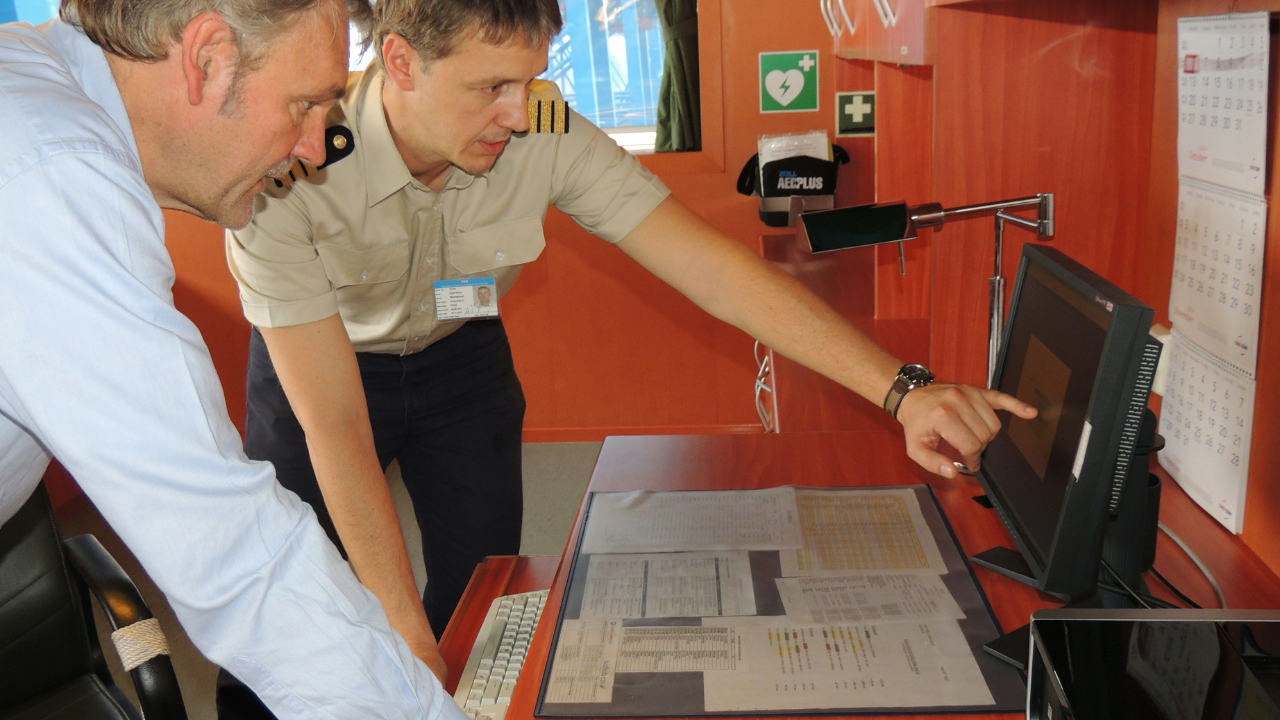
- Install electronic logbook software (Turbowin) and configure.
- Provide nationally prescribed marine observing stationery and reference material as appropriate, e.g. marine meteorological handbooks, sea-state and cloud charts/booklets, coding card/book.
- Provide initial training in:
- General observing requirements, i.e. observing and reporting times, recording and coding of observations;
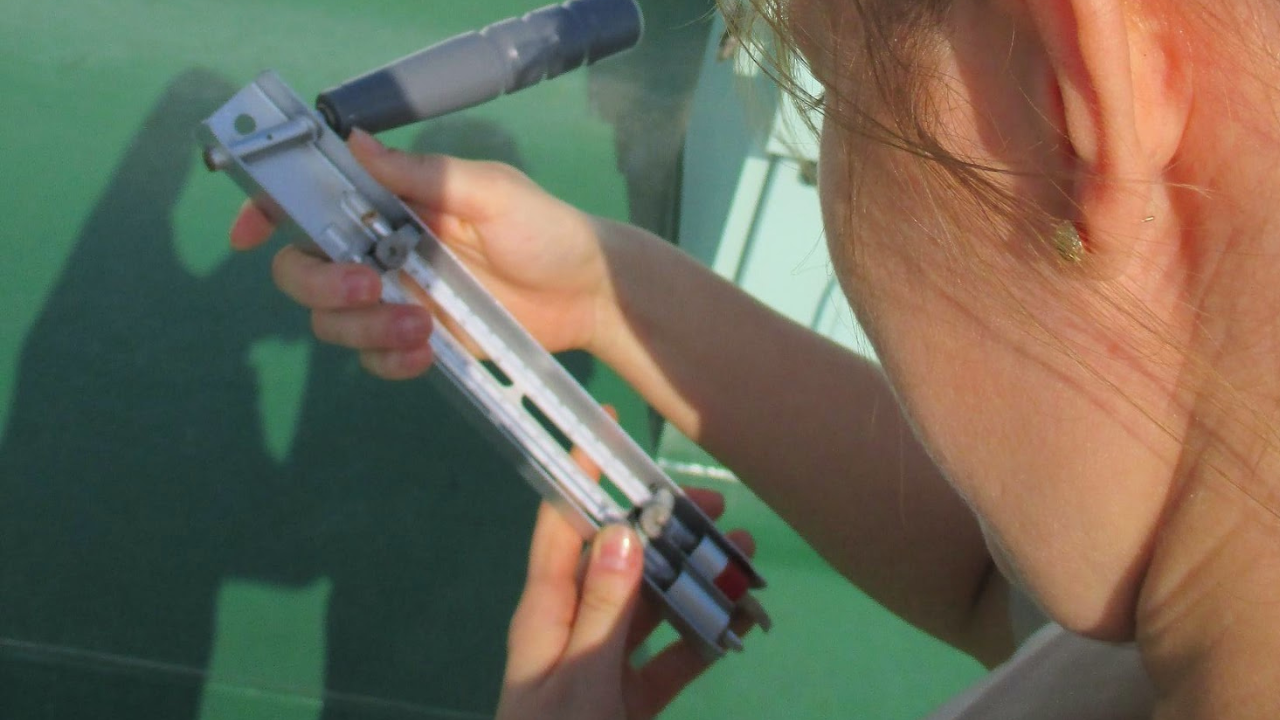
- Observing/estimating visual elements;
- Reading, use and care of meteorological instruments;
- Use of electronic logbook software, e.g. Turbowin;
- Advise on the preferred method of transmitting the observation (email) and, where appropriate, the use of Special Access Code 41 (SAC41) for Inmarsat transmissions through a LES that accepts BBXX.
- Document the required recruitment details and metadata, including photographs, using a nationally prescribed recruitment form (if applicable). Alternatively, the VOS Metadata Collection Form can be used to collect a range of metadata for national and WMO purposes.
- Recruitment forms should be sent to the VOS program manager in a timely manner, to allow population of the national VOS database and/or the OceanOPS Metadata database.
The recruitment process, including the both recruitment preliminaries and recruitment visit described above, are summarised in the VOS Recruitment Flow Diagram.
Post-Recruitment Monitoring
- After the ship leaves, check the GTS for BBXX messages received during the first 7 days.
- If BBXX were received, contact the ship to:
- Provide feedback on the quantity, quality, frequency and timeliness of the observations;
- Provide feedback on any coding problems or observational issues; and
- Thank the Master and Observing Officers for their efforts.
- If BBXX have not been received, contact the ship and ascertain if the observing program has started.
- Yes the observing program has started:
- Enquire about the method (e.g. SAC41) used to send the BBXX; and
- If using SAC41, to which LES the BBXX were sent to.
- No the observing program has not started:
- Enquire when the program will start; and
- Provide the Observing Officers with additional instructions, training and encouragement as necessary.