
The upper ocean — the top 1,000 metres — stores more than 90% of the excess heat being accumulated by Earth's climate system. How that heat is distributed, transported, and exchanged with the atmosphere is one of the most important questions in climate science. It shapes ENSO forecasts, drives regional climate patterns, and is a key indicator of long-term global warming. But measuring it across the vastness of the world's ocean basins is a formidable challenge.
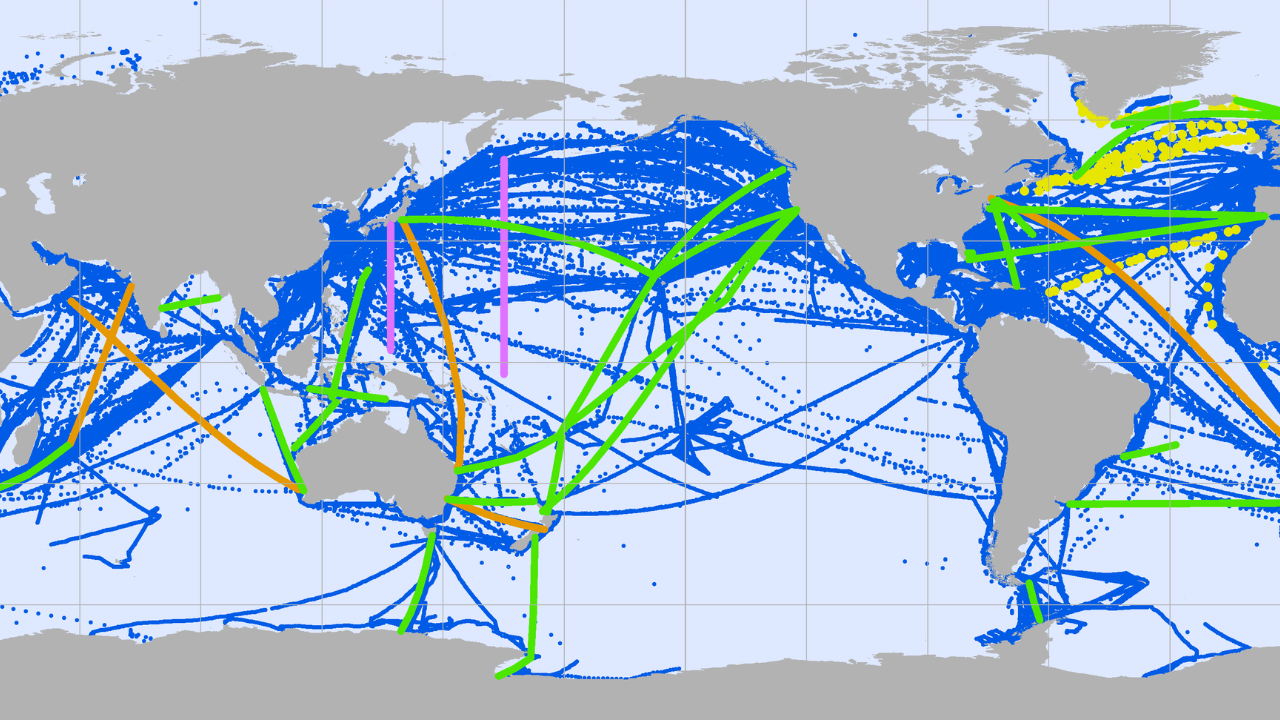
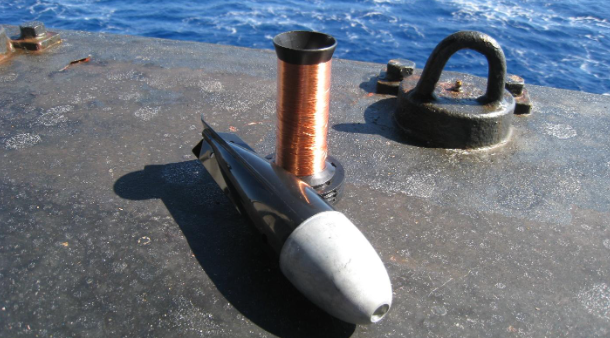
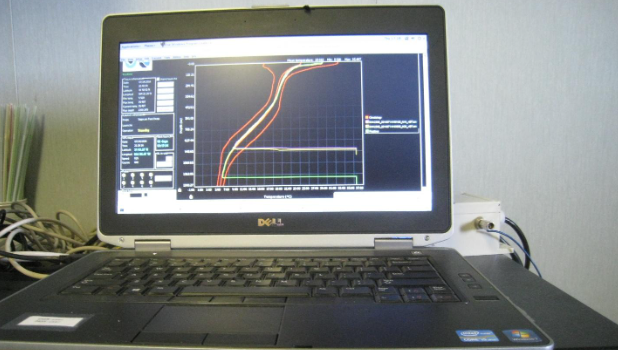
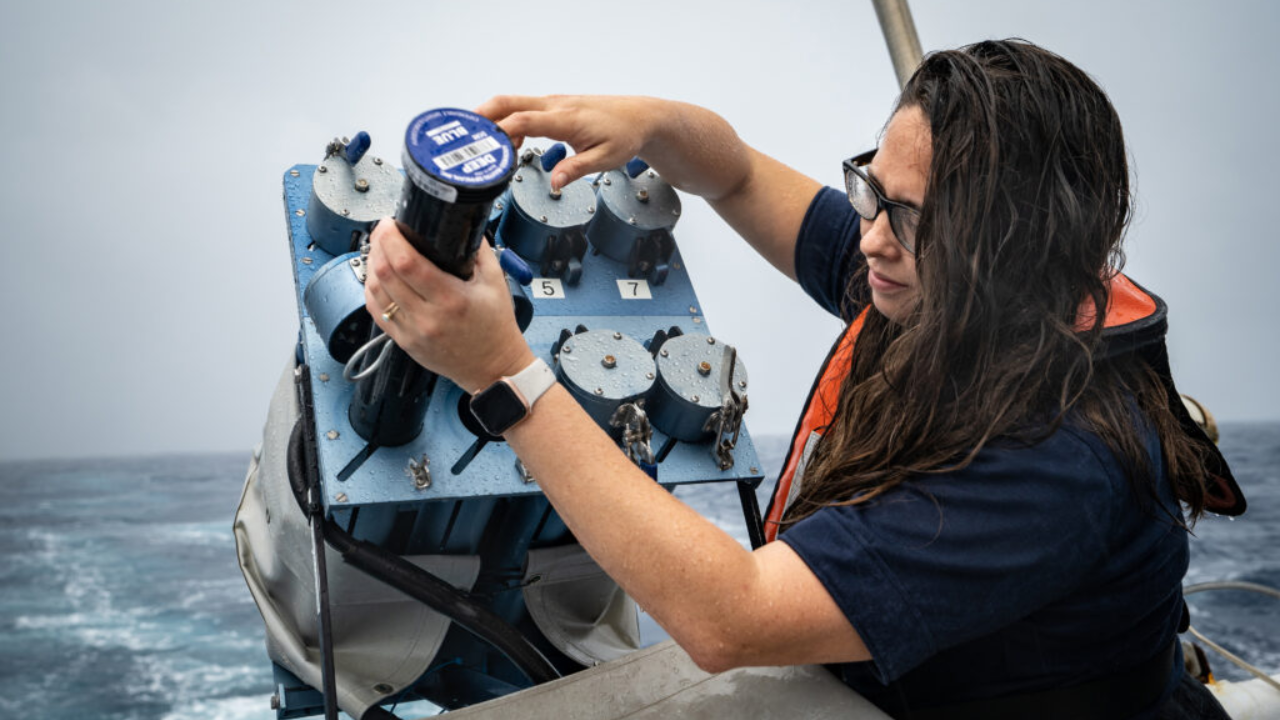
The OceanTraX network, previously known as the Ship of Opportunity Program (SOOP), has been meeting that challenge by deploying oceanographic instruments from commercial vessels on regular trade routes since 1980. Rather than requiring dedicated research ships — expensive and limited in number — OceanTrax puts measurement systems onto vessels that are already crossing the ocean for other purposes. The result is a cost-effective, globally distributed network of ocean thermal observations that complements the Argo float network and satellite altimetry but cannot be replaced by them.